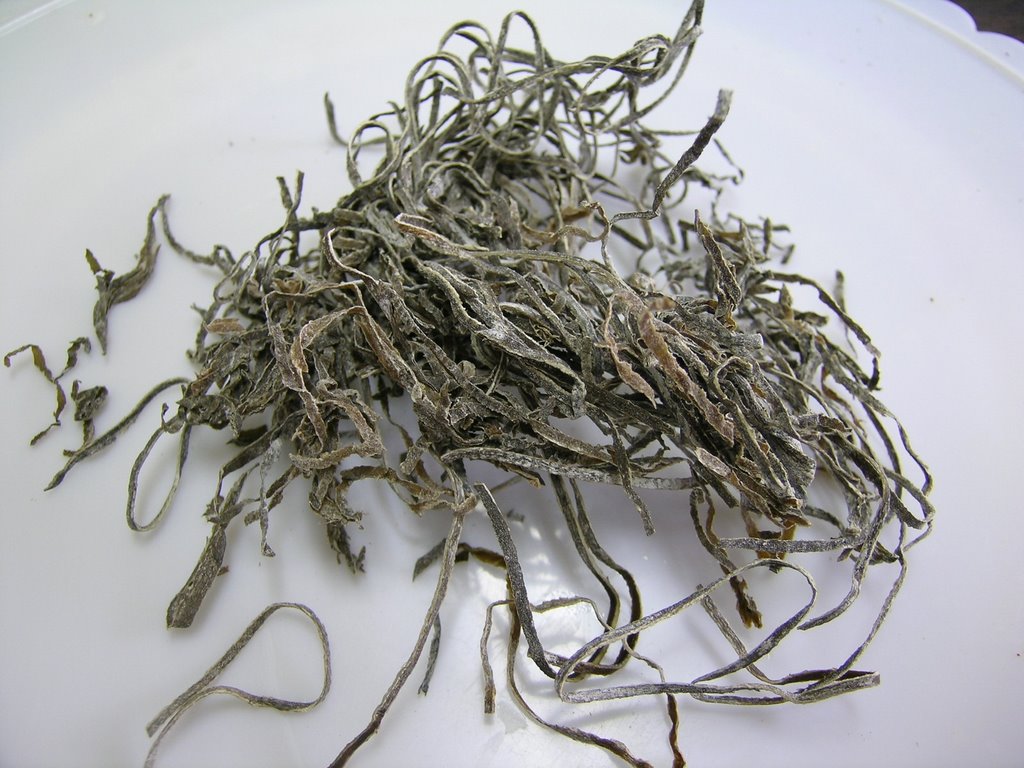
Vietnamese dishes heavily depend on the use of fresh herbs. Unlike most western traditions where herbs are only used in relatively small amounts to add flavor; Vietnamese people consume their herbs in high amounts as if they were veggies. At many Vietnamese tables, there is sure to be an abundance of fresh mixed herbs on table to compliment the meal. There are certain herbs that only go with certain dishes. However, most of the herbs are for “general use” (i.e. in almost all noodle dishes and spring rolls).
General Use Herbs:
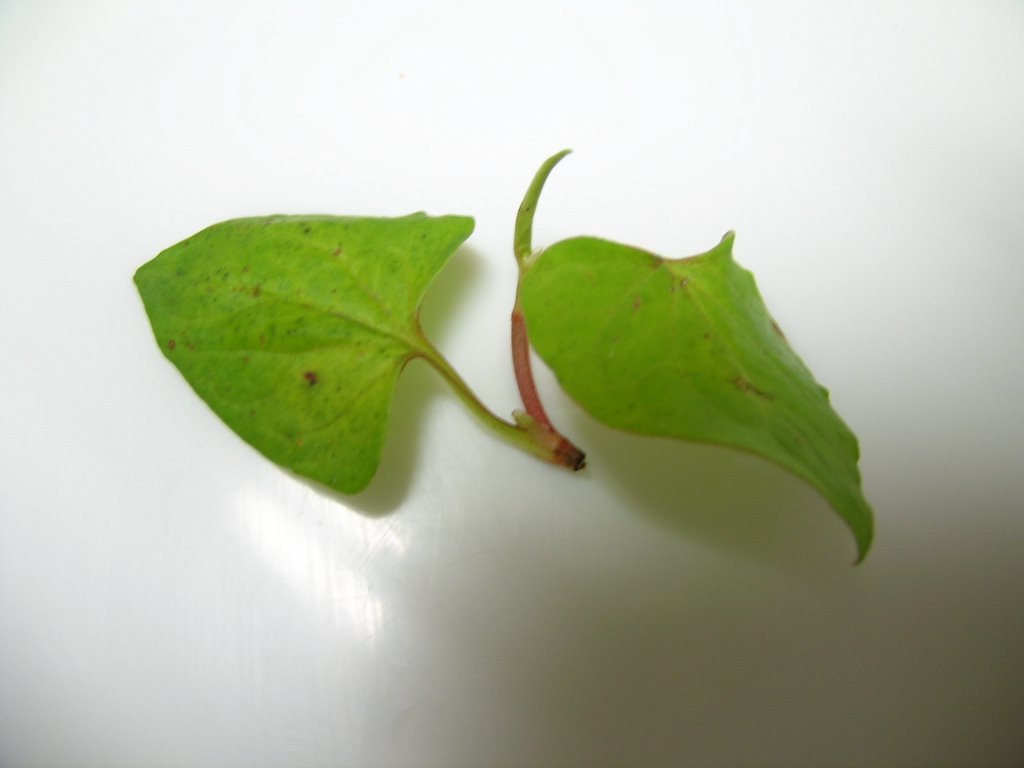
Vấp Cá, Dấp Cá, Houttuynia cordata Thunb. Widely used in dishes from the southern regions of Vietnam. Very strong flavor, so strong that some consider it an odor and can’t stand eating it. Uses: with noodles and wraps and in some salads.

Tía Tô, Perilla frutescens (L.) Britt.
A must have for making bì cuốn spring rolls.
The leaves are green on one side and purplish on the other.
Uses: with noodles and wraps and in some salads.
 Húng Cây, Peppermint
 Uses: with noodles and wraps and in some salads.
 Húng Lủi, Spearmint
 Uses: with noodles and wraps and in some salads.
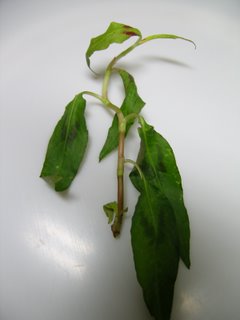
Rau Răm, Vietnamese Cilantro, Laksa Leaves, Polygonum odoratum Lour.
Unique somewhat spicy flavor.
Widely used in salads, served with balut, in noodles and wraps.
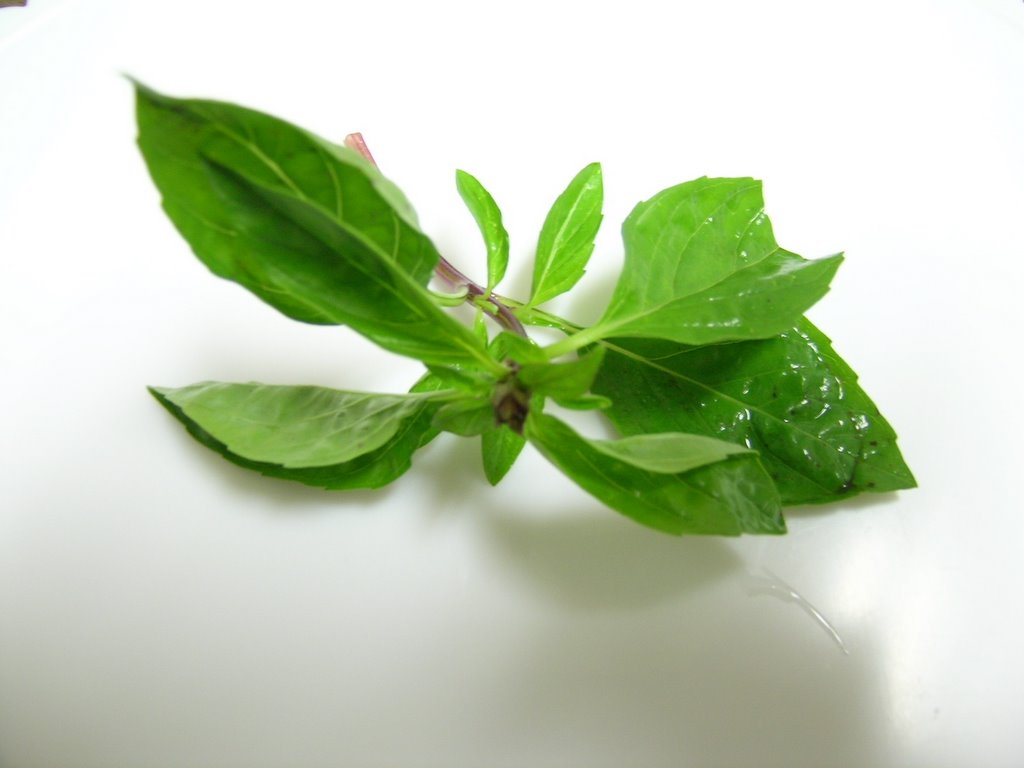
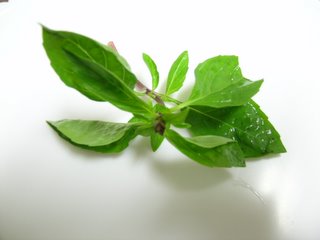 Lá Quế, Thai Basil
 One of the more well known herbs. Widely used in salads, noodles and wraps.
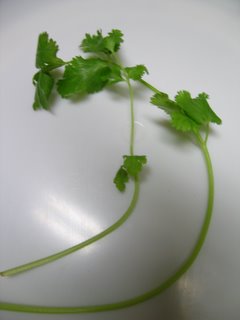 Ngò Rí, Ngò, Rau Mùi, Cilantro, Chinese Parsley, Coriandrum sativum L.
 Widely used in almost every dish.
Herbs Used Only for Certain Dishes:

Ngò Om, Rau Om, Rice Patty Herb, Limnophila aromatica [Lomk.] Merril
Flavor is similar to cumin, only used in soups such as canh chua (sour soup) and canh khoai mở (potato soup).

Ngò Gai, Saw-tooth Herb, Eryngium foetidum
Flavor is similar to cilantro but with a twist.
Only used in same soups as ngò om, and phở (beef noodle soup), and some salads.
 Lá Lốt, Lá Lốp, Pepper Leaf, Wild Betel Leaf, Piper sarmentosum
 Used to make bò cuốn là lốt, or canh bò lá lốt.
 Lá Chanh Thái, Thai/Kaffir Lime Leaves
Veggies:
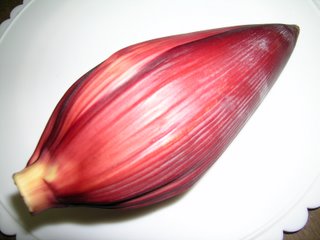 Bắp Chuối (Banana Flower)
 Usually shredded and used in salads or with certain noodle dishes.
After shredded, always soak in acidified water (1 tbs "acid" i.e. vinegar, lime/lemon juice, etc….) to keep from browning.
Drain just before serving.
 Bạc Hà (Taro Stem?)
The only english translation I've come across for this veggie is taro stem. The problem is it does not come from taro but a plant from the taro family. Used to make canh chua, in stir fries, and salads.
 Khoai Mở, "Chinese Yam"
**More to come (as soon as I can get their pictures).

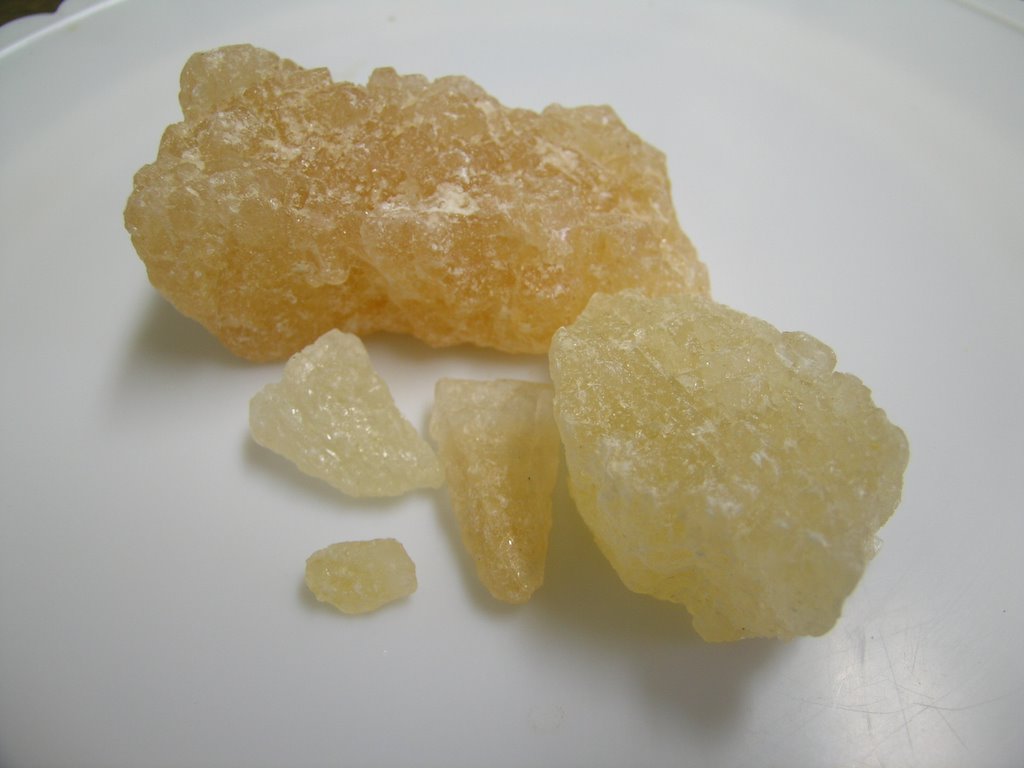 Đường Phèn, Rock Sugar, Rock Candy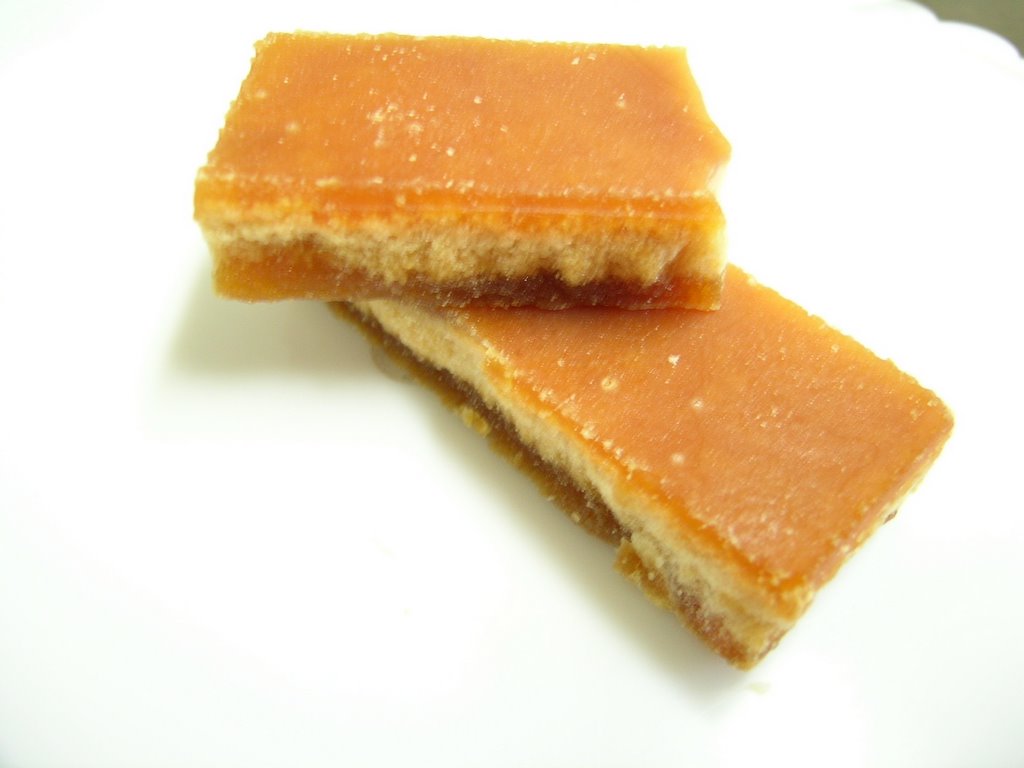
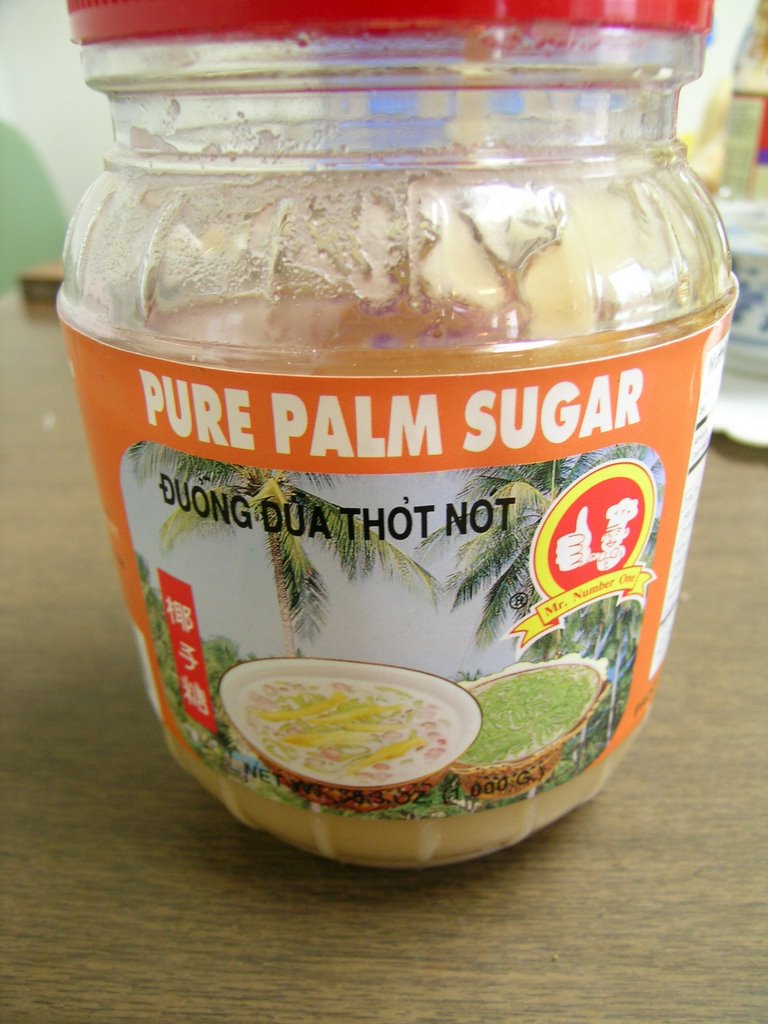
 Đường Mặch Nha, Maltose
 Vani, Bột Thơm, Bột Thơm Hoa Lan, Vanilla Powder, Vanilla Bean, Vanilla Extract
 Mùi Lá Dứa, Pandan Extract
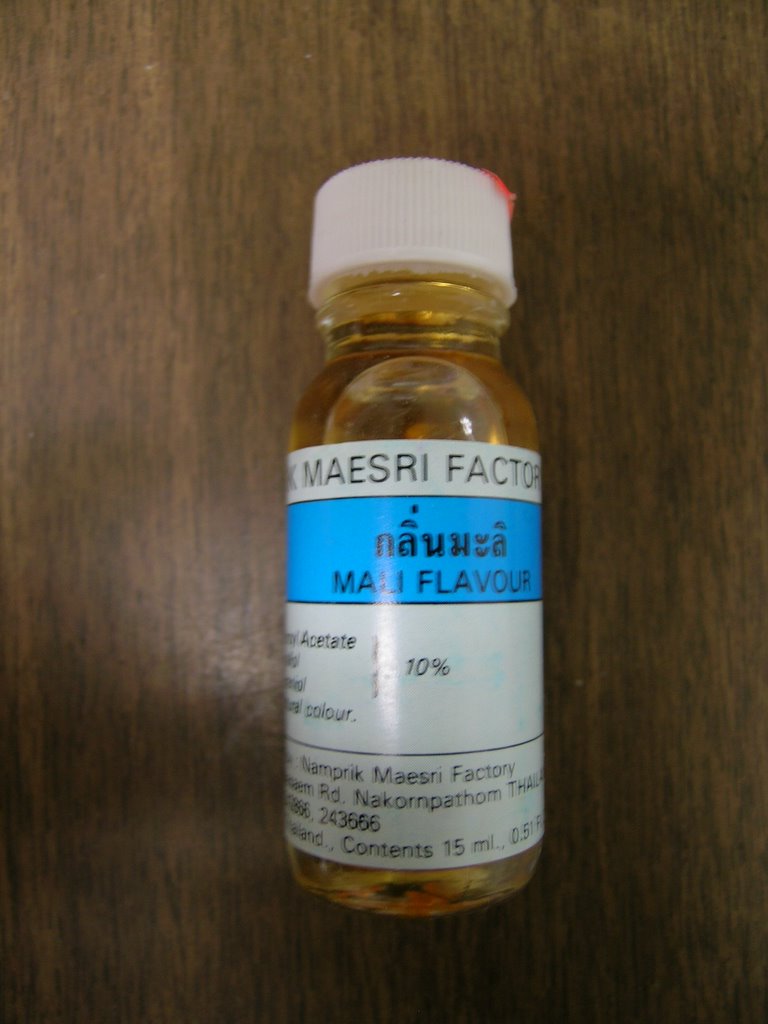 Nước Hoa Bưởi, Mali Flower Extract
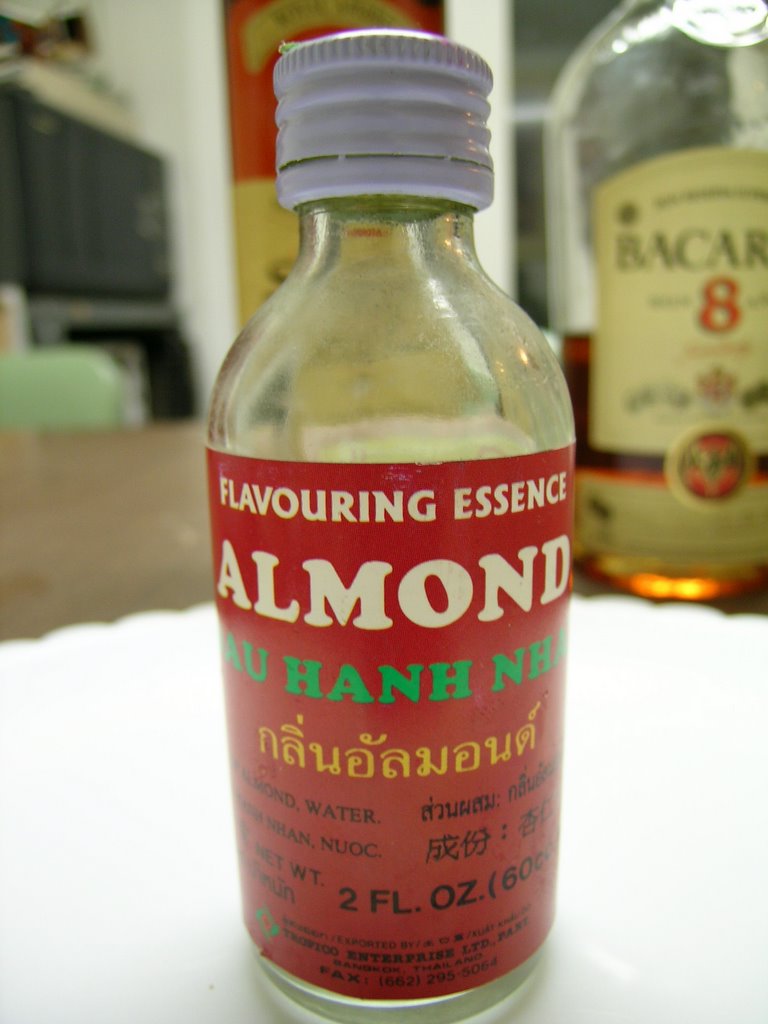 Dầu Hạnh Nhân, Almond Extract
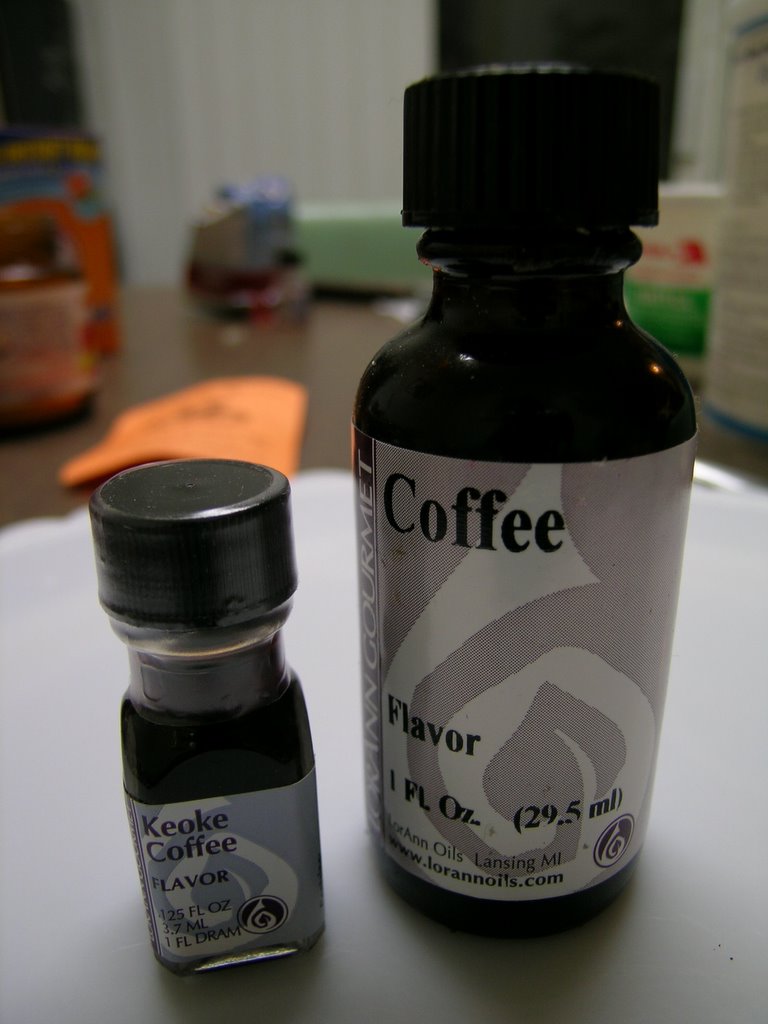 Coffee Extract
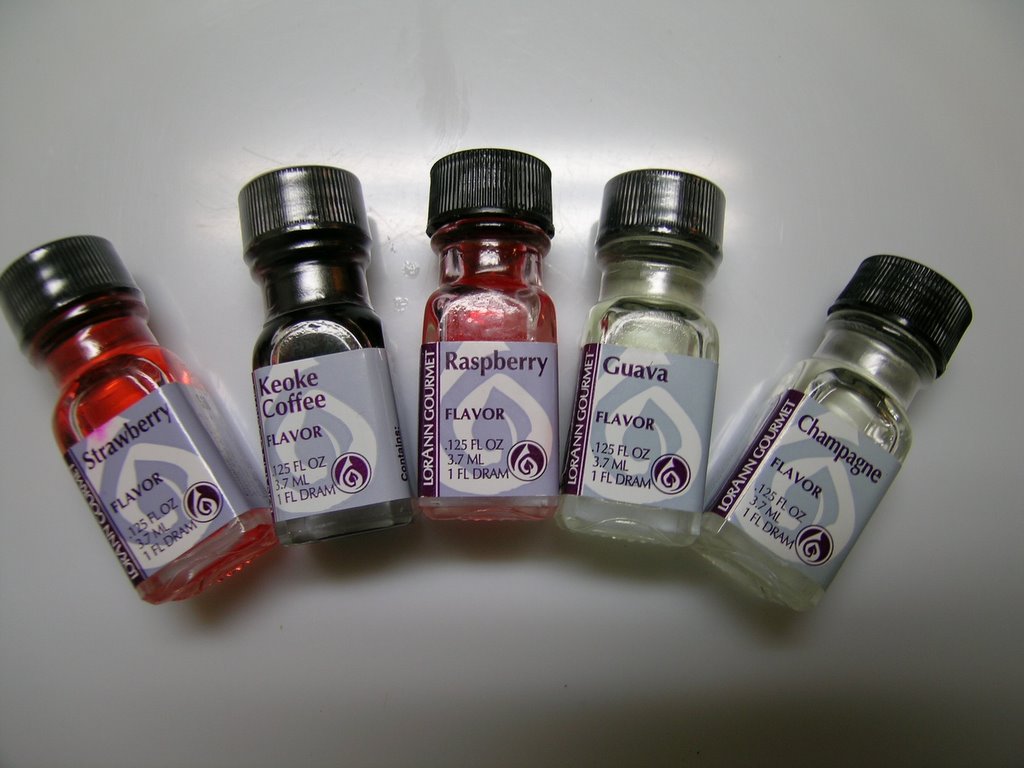 Various Extracts
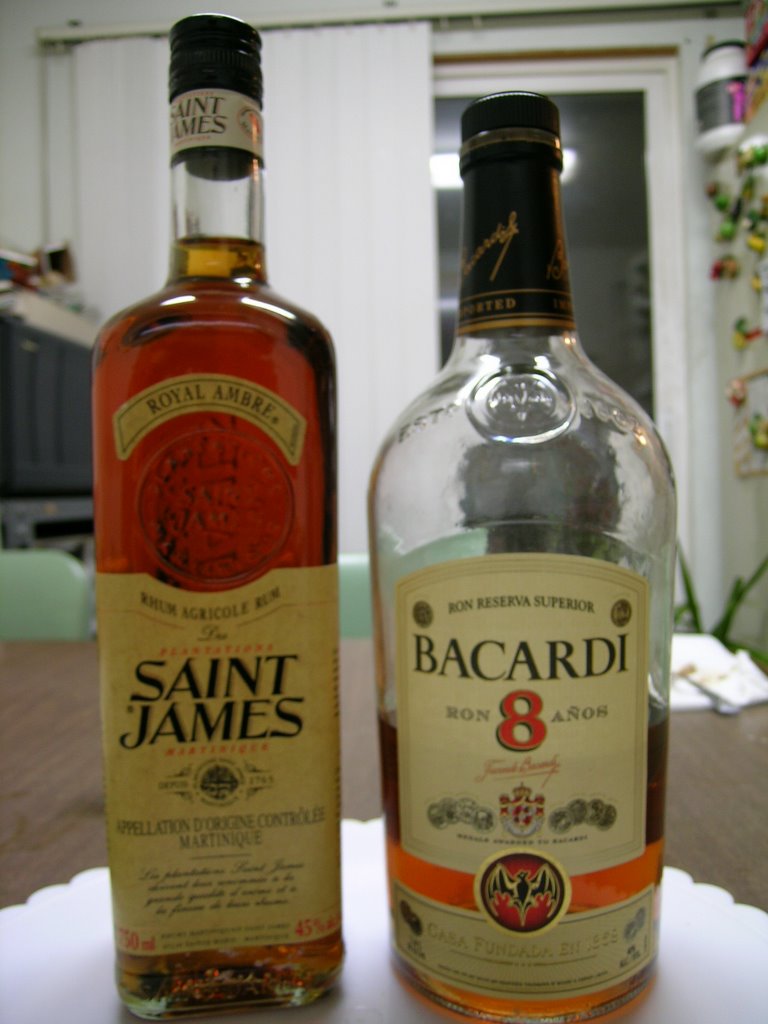 Rum
Rum Bột Khai, Baking Ammonia, Ammonia Bicarbonate
 Bột Nổi Nâu, Bột Nổi Bánh Mì, Men Bánh Mì, Yeast
 Single Acting Baking Powder
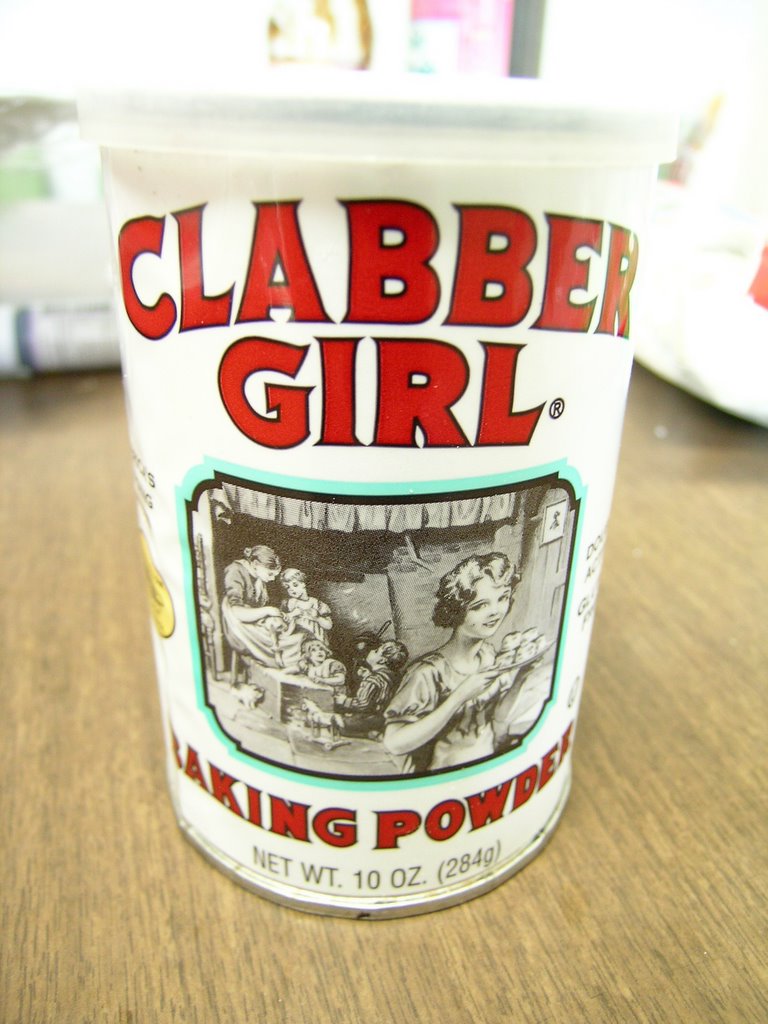 Double Acting Baking Powder
 Phèn, Alum
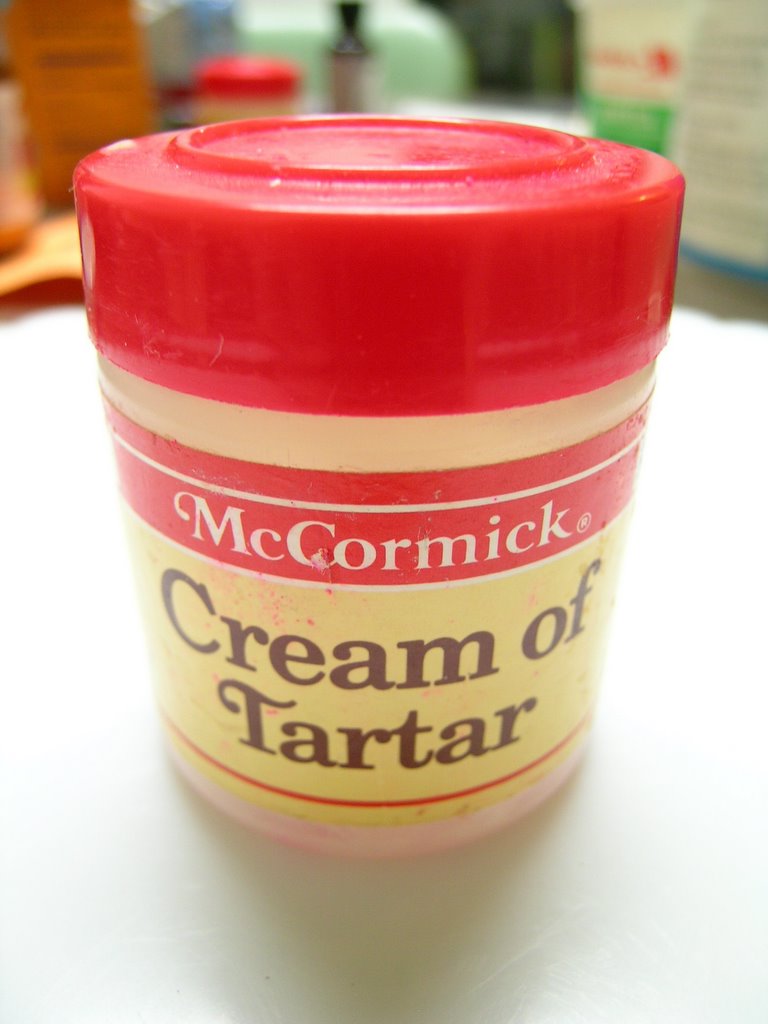 Cream of Tartar
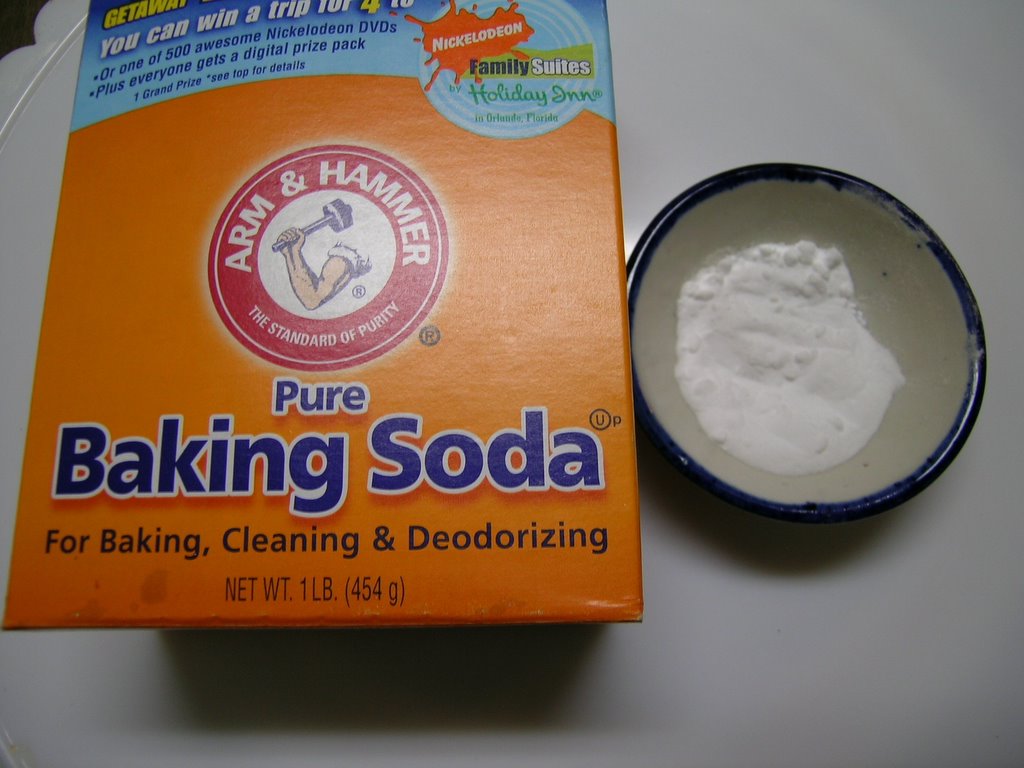 Thuốc Tiêu Mặn, Thuốc Muối, Bột Soda, Bicarbonate of Soda, Baking Soda
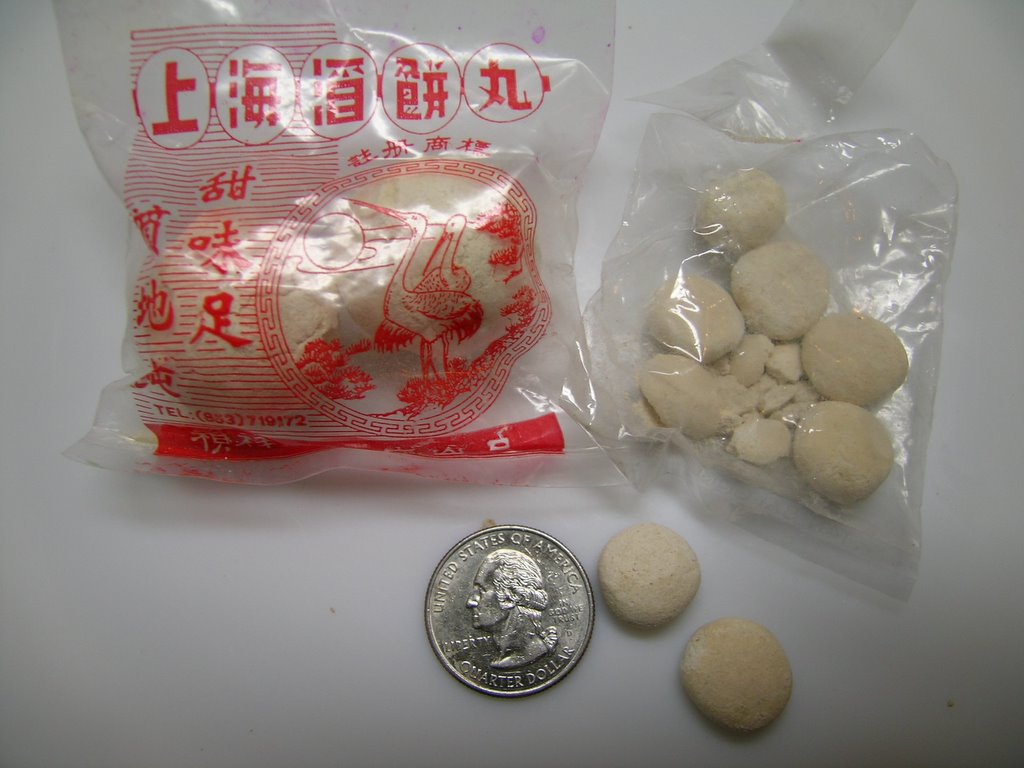 Men Cơm Rượu, Vietnamese/Chinese Wine Yeast
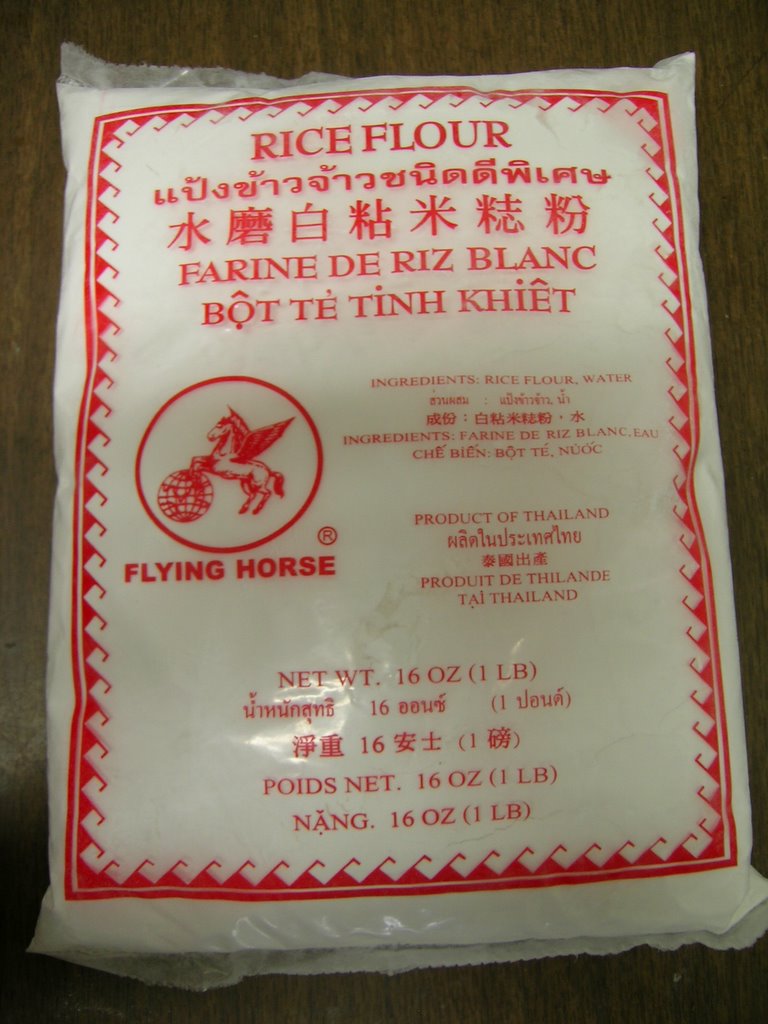 Bột Gạo, Rice Flour
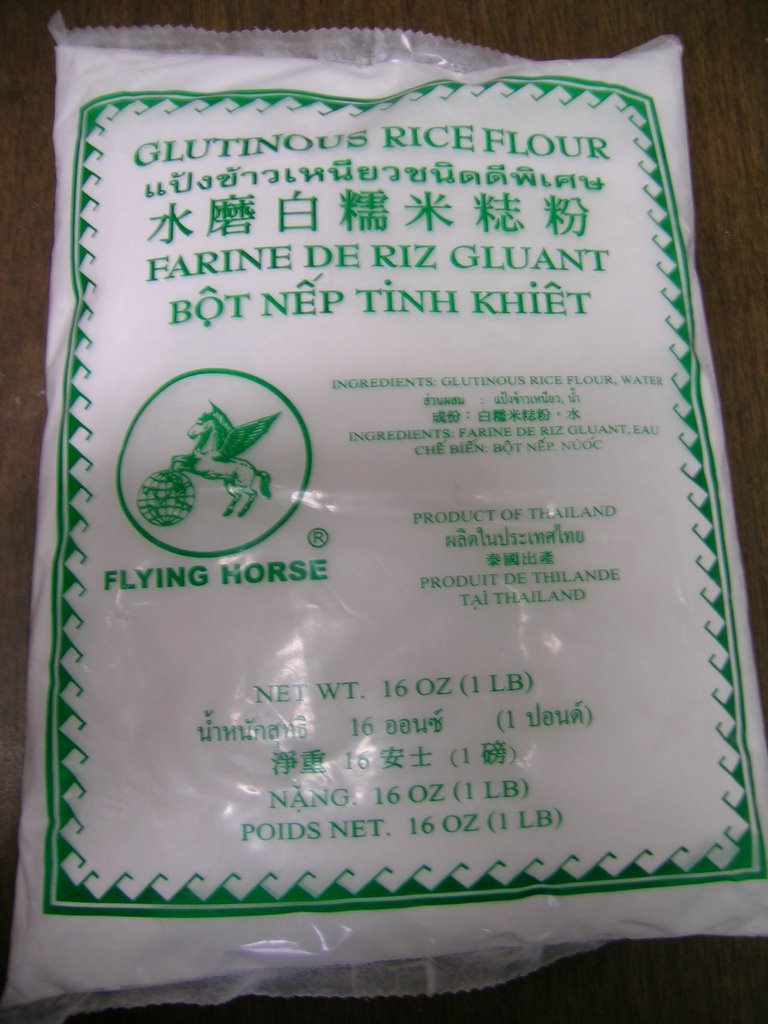 Bột Nếp, Glutinous Rice Flour
 Bột Tàn Mì, Wheat Starch
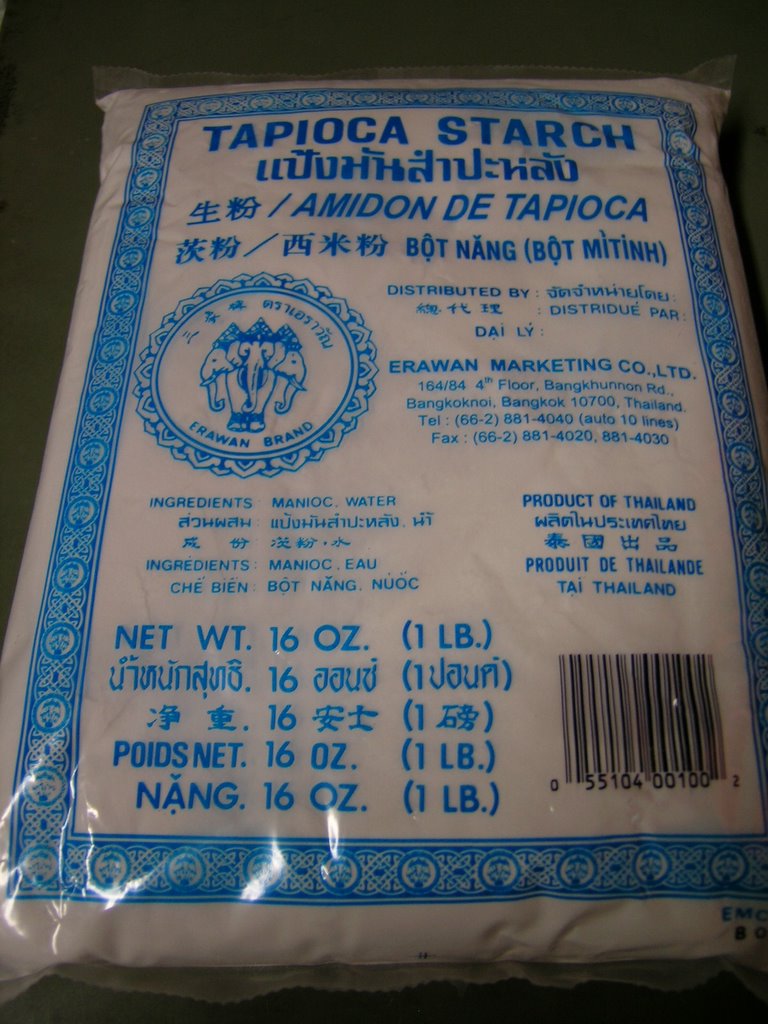 Tapioca Starch
 Bột Bánh Dẻo, Koh Fun, Roasted Glutinous Rice Flour (Notice the English is Different but the Chinese is the Same)
 Bột Bắp, Corn Starch/Flour
 Nước Mở Thắng, Lard
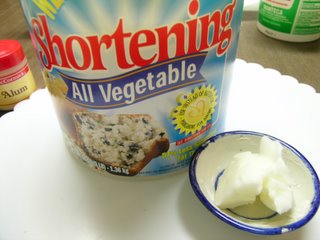 Mở Trừu, Shortening
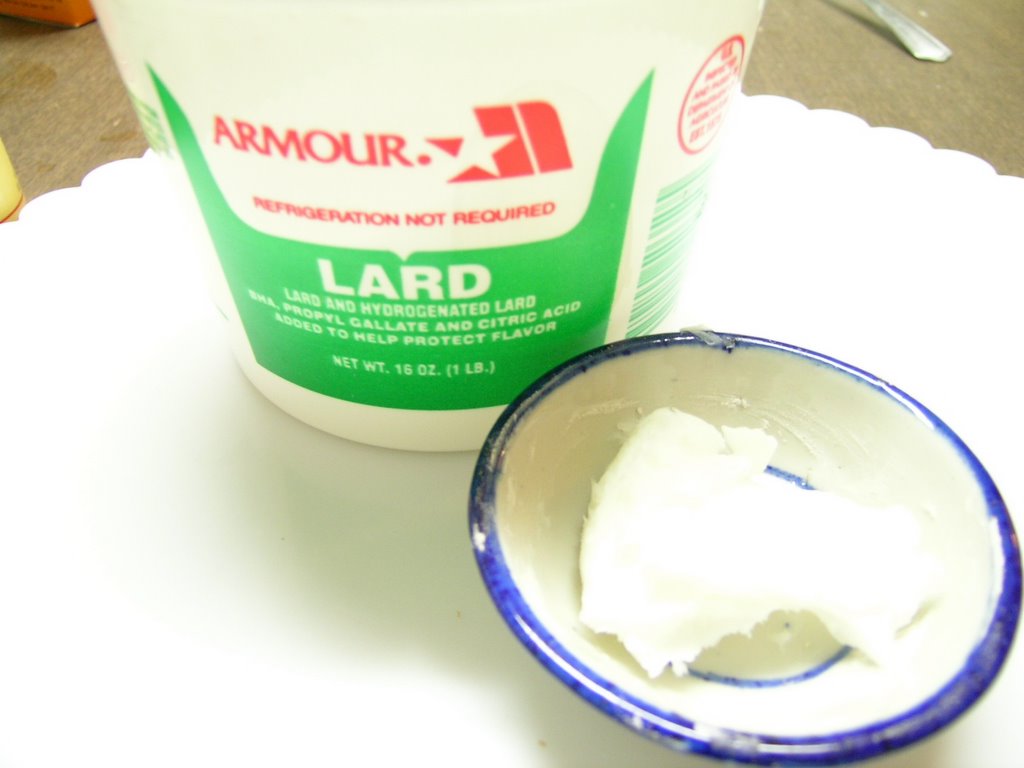 Nước Mở Thắng, Lard
 Mở Trừu, Shortening
 Bột Bán, Tapioca Pearls
 Nước Cốt Dừa, Coconut Milk/Cream
 Rau Câu, Agar Agar (Powdered and "Whole")
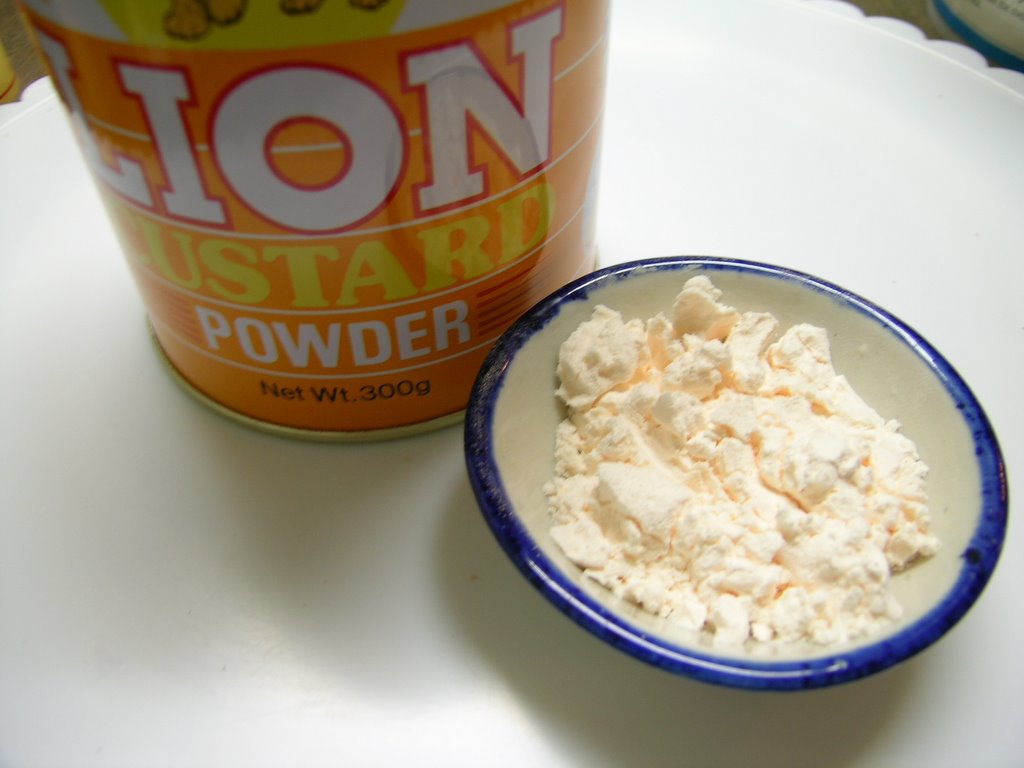 Custard Powder